
Conditioning in Calisthenics: How to Build Real Fitness With Bodyweight Training

Conditioning is one of the most important and most misunderstood elements of training. In calisthenics, conditioning is not a separate phase or optional add on. It is a fundamental outcome of how bodyweight training is structured and performed.
Whether your goal is improved endurance, better cardiovascular fitness, or the ability to repeat high quality movement under fatigue, conditioning plays a central role. Unlike traditional gym training that often isolates muscles and prioritises rest, calisthenics develops conditioning by challenging the entire body to work efficiently for sustained periods of time.
What Does Conditioning Mean in Calisthenics Training?
In training terms, conditioning refers to the body’s ability to sustain effort, recover quickly, and maintain performance across repeated bouts of work. It is not limited to cardio alone. Conditioning includes muscular endurance, cardiovascular efficiency, metabolic capacity, and the ability to maintain movement quality as fatigue builds.
In calisthenics, conditioning is developed through repeated full body movements such as push ups, pull ups, dips, squats, and core work. These exercises require coordination, stabilisation, breathing control, and muscular endurance simultaneously. Over time, this leads to a form of fitness that is both practical and transferable beyond the gym.

Why Conditioning Is So Important in Calisthenics
Calisthenics movements rarely isolate a single muscle group. A simple set of pull ups on a pull up bar demands grip strength, back and arm engagement, core stability, and controlled breathing. When these movements are performed for volume or within circuits, the cardiovascular and metabolic systems are heavily involved.
Because bodyweight exercises use your own mass as resistance, progression often comes from increasing repetitions, reducing rest, or extending time under tension. Each of these methods places a direct demand on conditioning. As a result, calisthenics naturally builds fitness that allows you to work harder for longer without relying on external machines or complex equipment.
The Best Way to Build Conditioning With Calisthenics
The most effective conditioning method in calisthenics is structured volume performed with intent. This means combining compound movements into sessions that challenge the body to sustain output while maintaining good technique.
Training using a pull up bar is a prime example. Repeated sets of pull ups, hanging leg raises, and isometric holds place a high demand on the upper body and core while also elevating heart rate. When paired with pushing movements and lower body exercises, the result is a complete conditioning stimulus that improves both strength endurance and cardiovascular fitness.
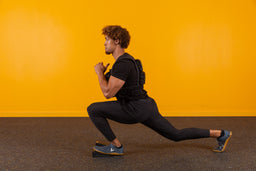
Adding a weighted vest is one of the most effective ways to increase conditioning demand without changing movement patterns. A weighted vest increases total workload, raises heart rate faster, and forces the body to become more efficient under load. Over time, this improves work capacity and makes unweighted movements feel significantly easier.
Conditioning in Calisthenics vs Weight Training
Traditional weight training often prioritises maximal strength and muscle hypertrophy. Sets are typically short, rest periods are long, and movements are highly controlled. While this approach is effective for building muscle and strength, it does not always develop the ability to sustain effort across longer sessions.
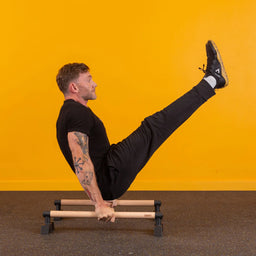
Calisthenics places a greater emphasis on movement efficiency, body control, and repeated effort. Conditioning is developed not by lifting heavier weights, but by improving how the body handles volume, fatigue, and time under tension. Using tools like pull up bars, parallettes, and weighted vests allows calisthenics athletes to increase difficulty while maintaining fluid movement and full body engagement.
This makes calisthenics conditioning more system based rather than muscle specific. The heart, lungs, muscles, and nervous system are trained together rather than in isolation.
The Benefits of Conditioning Focused Calisthenics Training
Improved conditioning carries benefits far beyond the workout itself. As your conditioning improves, you will notice faster recovery between sets, greater stamina during training, and improved consistency across sessions. Everyday tasks feel easier, posture improves, and fatigue becomes more manageable.
From a performance perspective, better conditioning allows you to accumulate more quality training volume. This accelerates progress in strength skills such as pull ups, dips, muscle ups, and static holds. For those training outdoors or at home, calisthenics conditioning offers a simple and effective way to stay fit using minimal equipment.
Using Gravity Fitness Equipment to Improve Conditioning
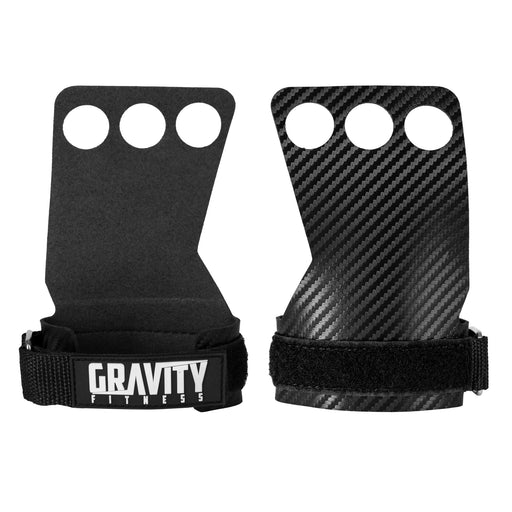
Gravity Fitness equipment is designed to support high quality calisthenics training wherever you train. Pull up bars provide a stable foundation for upper body and core conditioning, while weighted vests allow for scalable intensity without compromising movement quality.
By combining bodyweight exercises with simple tools, you can build conditioning that supports strength, endurance, and long term joint health. This approach aligns perfectly with the principles of calisthenics training and delivers fitness that translates into real world capability.
Conditioning Is Not Optional in Calisthenics
In calisthenics, conditioning is not something you add at the end of a workout. It is developed through how you train every movement. By focusing on volume, control, and intelligent progression, you build a level of fitness that supports both strength and longevity.
For anyone serious about calisthenics training, conditioning is not just a benefit. It is the foundation.