
The Importance of Stretching Before and After Calisthenics Training

Stretching plays a crucial role in preparing your body for the demands of calisthenics training and supporting recovery afterwards. Whether you are working on pull ups, dips, push ups or lower body strength, stretching ensures your muscles and joints are primed for movement. It also encourages long term mobility, improved performance and better training consistency.
This guide explores the science behind stretching, the best stretches to use before and after a calisthenics workout and how stretching contributes to muscle development and injury prevention.
Why Stretching Matters for Calisthenics Training
Stretching supports blood flow to muscle tissue which increases the delivery of oxygen and nutrients essential for performance and growth. Research consistently shows that stretching improves joint range of motion and flexibility which can enhance your ability to perform full movement patterns during calisthenics exercises.
Several studies indicate:
-
Stretching increases intra-muscular blood flow which supports warm up efficiency and muscle readiness (Kubo et al., 2021, Journal of Applied Physiology)
-
Flexibility training can improve strength output and neuromuscular control (Behm et al., 2016, Applied Physiology, Nutrition and Metabolism)
-
A structured cool down including static stretching can reduce muscle stiffness and improve long term mobility (Afonso et al., 2021, Sports Medicine)
Although evidence is mixed on whether stretching directly prevents soreness or injury, experts agree that a combination of dynamic warm ups and static cool downs creates better training outcomes.

The Best Way to Warm Up Before Calisthenics
Use Dynamic Stretching to Activate Your Muscles
Dynamic stretching involves controlled movements that take joints through a full range of motion. This type of stretching is ideal before calisthenics because it raises muscle temperature, increases blood flow and prepares the nervous system for strength based movements.
Recommended dynamic stretches before a calisthenics workout:
-
Leg swings
-
Arm circles
-
Hip openers
-
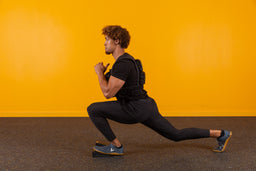
Walking lunges with rotation
-
Scapular pull ups
-
High knees or light skipping
Perform each movement for 8 to 12 repetitions. The goal is activation, not fatigue.
Why Dynamic Stretching Helps Calisthenics Athletes
When you begin a calisthenics session cold, muscles are less elastic and joints are less lubricated. Dynamic stretching helps you:
-
Improve coordination for skill based calisthenics movements
-
Reduce unnecessary tension during pulling and pushing exercises
-
Enhance your overall mobility for exercises like deep squats or bridge progressions
Static Stretching for Recovery After Calisthenics
Use Static Stretching to Reduce Tension and Improve Mobility
Static stretching involves holding a stretch for 20 to 60 seconds without movement. This is best done after training when muscles are warm and more responsive.
Recommended static stretches after calisthenics:
-
Hamstring stretch
-
Quadriceps stretch
-
Chest doorway stretch
-
Hip flexor stretch
-
Lat and upper back stretch
-
Calf stretch
Repeat each stretch two to three times. Focus on slow breathing and relax into the position.
Why Post Workout Stretching Matters
After intense calisthenics training especially exercises that involve significant pulling or pushing force your muscles shorten and tighten. Static stretching helps them return to their natural resting length. Benefits include:
-
Reduced muscle stiffness
-
Improved long term flexibility
-
Increased recovery efficiency
-
Better posture and joint comfort
These improvements support advanced calisthenics skills and help maintain healthy movement patterns over time.
How Stretching Supports Muscle Growth in Calisthenics
While stretching does not directly build muscle in the same way resistance training does, it plays an important supportive role. Increased blood flow from warm ups and improved flexibility from regular stretching allow your muscles to contract more efficiently during training.
Enhanced joint mobility also enables:
-
Deeper squats
-
Fuller range push ups
-
Cleaner pull up form
-
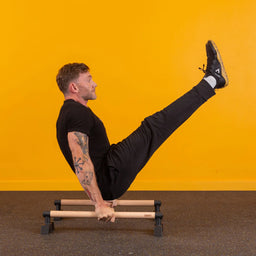
Better leverage in skills like handstands and L sits
All of these contribute to strength progression.
How Often Should You Stretch When Training Calisthenics
For best results:
-
Include dynamic stretching in every warm up
-
Spend 5 to 15 minutes on static stretching after training
-
Add dedicated mobility sessions on rest days if needed
Consistency is more important than duration. A small amount of stretching every day is far more effective than a long session once a week.

Gravity Fitness Weighted Vests and Calisthenics Equipment
If you want to elevate your calisthenics training, a weighted vest is one of the most effective tools you can use. Gravity Fitness offers premium quality weighted vests designed for durability, comfort and full range of motion. They are perfect for adding resistance to push ups, pull ups, dips, squats and endurance training.
Explore the full range of Gravity Fitness weighted vests, parallettes, gymnastics rings and calisthenics equipment to take your training to the next level.