
Why Calisthenics Is the Most Underrated Longevity Hack


If you'd asked what longevity meant 10 years ago, people probably would have said “living longer”. These days, the conversation isn’t about how long you live, but how long you live well.
People want to be fit, strong, and independent for as long as possible. That’s longevity and I think calisthenics is one of the most underrated ways to improve it. So let’s talk about how to train for longevity.
What is longevity?
Scientifically speaking, longevity refers to lifespan (how long you live). But the longevity discourse today is about healthspan - the number of years you spend healthy, capable, independent, and free from serious disease or disability.
Most of us aren't interested in adding 10 years to our lives if those years are spent unable to move, think clearly, or do the things we enjoy. The goal is more life in your years, not just more years in your life.
How is longevity measured?
Researchers can't predict how long anyone will live, but they can make a reasonable guess by looking at markers that are strongly associated with better long-term health outcomes.
Some of the most important ones include:
-
VO2 max (your ability to use oxygen during exercise)
-
Grip strength (people are surprised by this one)
-
Muscle mass
-
Bone density
-
Balance and coordination
-
Mobility and flexibility
-
Cardiovascular health
-
Metabolic health
-
Cognitive function
Calisthenics has the potential to improve almost all of these. How many other training methods can say that?
Grip strength, longevity, and calisthenics
I’ve written about grip strength before, and I don’t mind talking about it again here.
Grip strength is one of the strongest physical predictors of future health outcomes that we have. Researchers have linked lower grip strength to higher risks of disability, illness, and earlier mortality.
That doesn't mean stronger hands make you live longer, it’s more that grip strength reflects muscle mass, muscle strength, physical capability, and resilience.
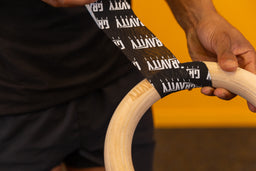
Calisthenics trains grip constantly. Every pull up, row, dead hang, ring exercise, and bar movement works your hands and forearms. You can’t avoid training your grip if you do calisthenics.
Muscle mass for longevity
A lot of people still think of muscle as an aesthetic goal, but the research says otherwise. Muscle mass is strongly associated with better health outcomes as we get older.
Higher levels of muscle help support metabolic health, insulin sensitivity, balance, mobility, and injury resilience. There's also growing evidence linking more muscle mass to better brain health. Some studies have found links between higher muscle mass and fewer white matter lesions in the brain.
Muscle mass isn’t just for strength, it seems to be important for long-term brain health too. And it doesn’t matter whether that muscle mass comes from free weights, fixed weights, bodybuilding, powerlifting, or bodyweight training aka calisthenics.

Strong bones are underrated for longevity
Most people start thinking about bone density when they're older if at all. But by then, you’re trying to rebuild something you’ve started to lose.
Bone tissue responds to load. The more appropriate stress you put on it throughout your life, the stronger it tends to stay.
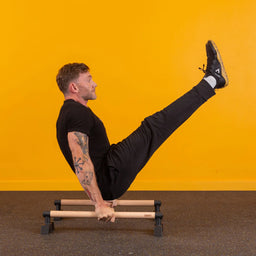
Calisthenics is an amazing way to create loading for bone health. Pull ups, dips, push ups, handstands, jumping, climbing, hanging, moving your own bodyweight - all of these movements encourage the body to maintain bone strength.
Movement is freedom
One thing I rarely see in the longevity discussion is how quality of life comes down to basic movements.
When you’re older, do you want to be able to:
Get down onto the floor
Stand back up unaided
Reach overhead
Climb stairs
Catch yourself if you trip
These aren't gym skills, they’re life skills – and you’ll be grateful for them when you’re in your late 70s, 80s, and (hopefully) 90s.
Calisthenics naturally develops movement competency because you're constantly controlling your body through space when you train calisthenics. You also learn balance, co-ordination, and get used to knowing how your body moves.
What about VO2 max?
If there's one thing I'd add to a calisthenics-focused longevity plan, it's dedicated cardiovascular training.
VO2 max is one of the strongest predictors of long-term health and mortality that we have. In simple terms, it measures how your body uses oxygen during exercise.
People with higher VO2 max scores tend to live longer and have lower risks of cardiovascular disease.
Calisthenics isn’t the best at directly training VO2 max, so I’d recommend you add in some cardio. That might be:
-
Running
-
Cycling
-
Swimming
-
Rucking
-
Rowing
-
Fast-paced walking
You don't need to enter a marathon or bust out sprints every week, just make sure your heart and lungs are getting some attention. If you wear a smartwatch, keep an eye on your VO2 max number.
How to train for longevity
We can all train for our future selves, by focusing on the things that tick those “longevity-friendly” boxes (muscle mass, bone density, grip strength, VO2 max).
-
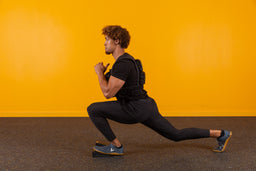
Strength training 2-4 times per week
-
Pulling, pushing, squatting, carrying, hanging, core work
-
Daily movement and walking
-
Some form of cardio
-
Mobility work
The nice thing about focusing on longevity is that the habits that will hopefully improve your healthspan also make life better now.
That's why I think calisthenics deserves a bigger place in the longevity conversation.
Not because it's the only answer, but because it builds strength, movement, capability, resilience, and confidence in your own body. Qualities worth having at any age!