


Dip Bars
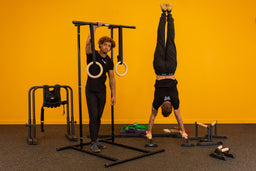
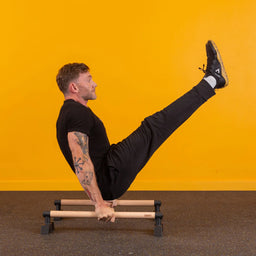
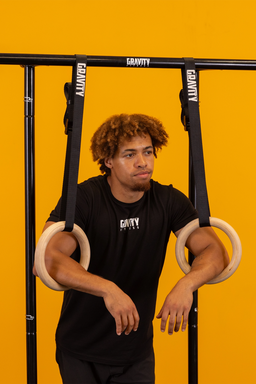
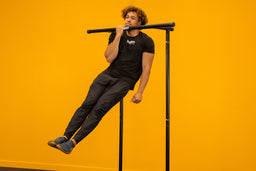

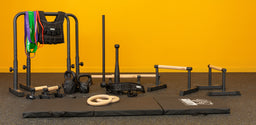
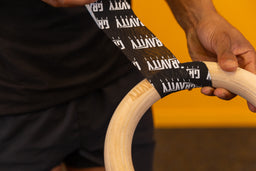

Gravity Fitness XL Parallette regolabili/barre delle immersioni

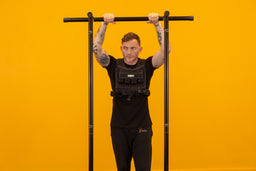
Gravity Fitness Advanced Portable Pull Up Rack

Gravity Fitness Freestanding Dip Bars

Gravity Fitness Wall Mounted Pull Up & Dip Bars Bundle

Gravity Fitness Wall Mounted Dip Bar
Dip Bars — Buy Online
Dip bars are a core piece of calisthenics equipment for pushing strength: dips, L-sits, support holds and handstand work all use the same parallel-bar setup. The Gravity Fitness range covers four ways to get dip bars into your training: a space-saving wall-mounted option, a heavy-duty freestanding station, height-adjustable parallettes, and a portable rack with dip bars built in.
Every dip bar option comes with a 5-year warranty and 60-day returns.
Key Features
The Wall Mounted Dips Bar is a compact, fixed station with 42mm bars, tested to 250kg. The Freestanding Dip Bars use the same 42mm bar diameter but in a standalone frame tested to over 300kg, built to stay in one place rather than move around. The XL Adjustable Parallettes / Dip Bars use a thinner 38mm bar and adjust across five heights from 74cm to 94cm, doubling as parallettes for a wider range of exercises. The Advanced Portable Pull Up Rack has 38mm dip bars built into its frame alongside a 32mm pull-up bar, and packs down into a carry bag.
Where and How to Use Dip Bars
The Wall Mounted Dips Bar and Freestanding Dip Bars are both fixed once set up. The wall-mounted version needs a suitable brick wall, while the freestanding version stands on any flat floor without fixings. The XL Adjustable Parallettes and Advanced Portable Pull Up Rack are both movable, so they suit anyone who wants to train in different rooms, take equipment to the park, or doesn't want a permanent fixture. Bar diameter is worth factoring in too: the thicker 42mm bars on the wall-mounted and freestanding options are built specifically for comfortable, high-volume pushing work, while the 38mm bars on the parallettes and rack keep things more familiar if you're already used to a standard grip.
Exercises and Applications
Dip bars are used for dips, weighted dips, L-sits, support holds and handstand work. The Freestanding Dip Bars and Advanced Portable Pull Up Rack both give enough height for a dip belt to hang weight without plates touching the floor, so they suit anyone progressing into weighted dips. The XL Adjustable Parallettes' height range also opens up planche and front lever progressions, since the adjustable bars let you match the height to the specific skill you're training rather than a fixed setup.
Benefits
Dips build the chest, shoulders and triceps through a longer range of motion than most pressing exercises, and having dedicated bars, rather than improvising on furniture or gym equipment, means the width and height are actually built for the movement. Because the four options in this range span fixed, freestanding, adjustable and portable formats, there's a genuine fit whether you want a permanent station, something to take with you, or a dual-purpose setup that also covers parallette work.
Choosing the Right Dip Bars
If you want the smallest footprint and don't mind a permanent wall fixture, the Wall Mounted Dips Bar is the simplest option. If you'd rather not drill into a wall but still want a solid, stay-in-place station, the Freestanding Dip Bars are built for that. If you want one piece of equipment that covers both parallette and dip work with adjustable height, the XL Adjustable Parallettes fit that brief. And if you want dip bars as part of a fully portable setup that also gives you a pull-up bar, the Advanced Portable Pull Up Rack covers both in one packed-down unit.